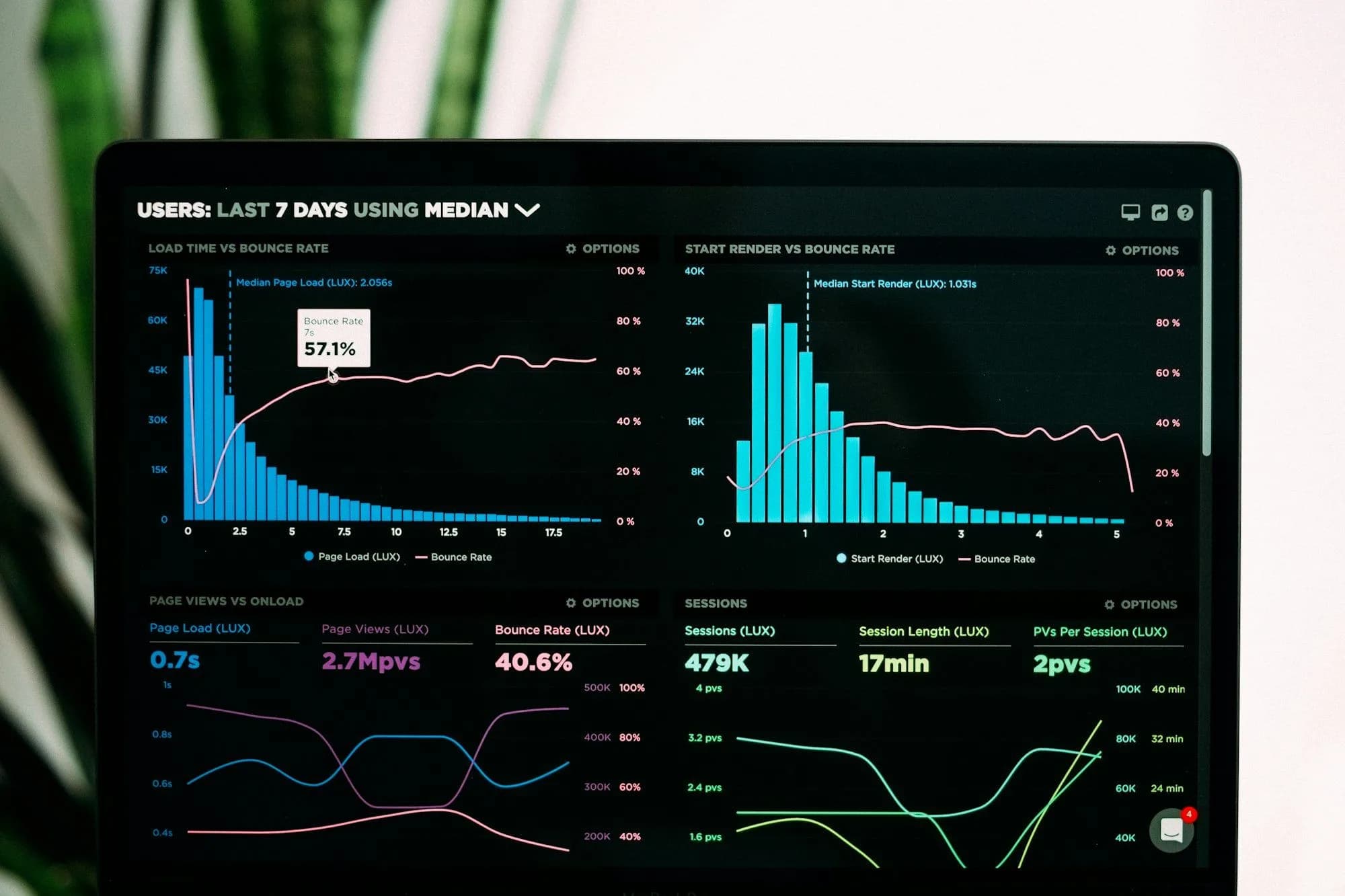
The AI tools most digital marketers use in 2026 fall into five jobs: research and strategy, copywriting, image and video creation, campaign management, and reporting. You don't need all of them at once. Most working marketers in Pakistan start with one tool for writing and one for reporting, then add more as the workload grows.
Why AI tools matter for marketing work now
Agencies and in-house teams are expected to plan, write, design and report on more campaigns with the same size team. AI tools don't replace the strategy and judgment a marketer brings, but they cut the time spent on first drafts, variations and repetitive reporting, which is exactly the work that used to eat a whole afternoon.
Research and strategy tools
Before you write a single ad, you need to know what's already ranking, what your audience is asking, and what a competitor's campaign looks like. AI-assisted research tools speed up this stage by summarizing large amounts of data into a usable brief.
- Google Trends, still free, shows you what is rising in search interest by region, including Pakistan.
- AI search tools like Perplexity or ChatGPT's search mode help you scan competitor positioning and messaging quickly, though you should always verify claims against the source.
- Answer-the-public style tools surface the actual questions people type, which is useful for both ad copy and content briefs.
Copywriting and content tools
ChatGPT, Claude and Gemini are now standard for first-draft ad copy, email subject lines and social captions. The skill isn't typing a prompt, it's editing what comes back: cutting generic phrasing, adding a specific detail only a real brand would know, and making sure the claim is actually true before it goes live.
How to prompt for marketing copy without generic results
Give the tool your actual audience, tone and one real detail about the offer, not just the product name. A prompt naming a specific city, product feature and delivery detail produces far better drafts than a generic request for "ad headlines".
Image, video and design tools
Canva's AI features, Adobe Firefly and similar tools now generate campaign visuals, resize creative for different platforms automatically, and remove backgrounds in seconds. For short-form video ads, tools like CapCut's AI captioning and auto-cut features cut editing time significantly, which matters when a campaign needs several versions of the same ad for different placements.
Campaign management and reporting tools
Meta Ads Manager and Google Ads both now include AI-assisted bidding and creative testing. On the reporting side, AI tools can turn a spreadsheet of campaign numbers into a plain-language summary a client can actually read, which saves the hour a marketer used to spend writing that summary by hand every week.
Which AI features are already inside your ad and analytics tools?
Some of the most useful AI in marketing is not a separate app. It is built into the platforms you already use, and it is worth learning before you pay for anything new.
- Google Ads Performance Max: Google describes it as a goal-based campaign type that reaches all Google Ads inventory, including YouTube, Display, Search, Discover, Gmail and Maps, from one campaign. You supply the goal, budget and assets, and Google’s automation decides where to show them.
- Meta Advantage+: Meta’s set of AI-driven options for Facebook and Instagram ads, which automate audience, placement, budget and creative choices. Useful for Daraz and Instagram sellers who cannot test every audience by hand.
- Google Analytics insights: Google Analytics can detect unusual changes or emerging trends in your data and show them on its Insights dashboard, and you can set your own alert conditions. It flags a sudden drop in traffic before a client notices.
Automation still needs a marketer. These tools work best with clean tracking, good creative and a clear goal, and they report their own results, so check them against your analytics.
Which tool fits which job?
Job | Tools to learn first | Where you still decide |
|---|---|---|
Research | Google Trends, Perplexity, ChatGPT search | Which findings are true and relevant |
Copywriting | ChatGPT, Claude, Gemini | Tone, claims and local detail |
Design and video | Canva, Adobe Firefly, CapCut | Brand fit and what the ad shows |
Campaigns | Performance Max, Meta Advantage+ | Goal, budget and when to stop |
Reporting | Google Analytics insights, Looker Studio, ChatGPT | What the numbers mean for the client |
Getting started without a big budget
Most of the tools above have a usable free tier: ChatGPT, Canva, Google Trends and Meta Ads Manager all work without a paid plan for someone starting out. Build the habit of using two or three tools well before subscribing to anything, since the workflow matters more than the tool.
SkillsVerx's AI-powered digital marketing course walks through this exact stack, from research to reporting, with real client-style briefs instead of made-up examples.
Common mistakes when using AI tools in marketing
Most problems with AI-assisted marketing come from trusting the output too much, not from the tools themselves. A few habits keep the work honest and on-brand.
- Publishing a first draft unedited: AI copy almost always needs a human pass for tone, accuracy and specific brand details.
- Letting a tool state a claim about your product or price without checking it against reality first.
- Using the same generic prompt for every client, which produces the same generic voice for every client.
- Skipping a plagiarism or fact check on AI-generated statistics, since tools sometimes state a confident number that is simply wrong.
- Forgetting to disclose AI-generated imagery where a platform or client requires it.
How agencies in Pakistan are actually structuring this work
Smaller agencies and freelance marketers typically assign one person to own the AI tool stack for a client, rather than letting every team member prompt independently, which keeps brand voice consistent across campaigns. A short, written prompt guide, covering tone, banned phrases and one or two real product details, saves far more time than a longer one drafted per project.
Where AI marketing meets AI search
Marketing and search are converging: the same AI systems your team uses to write copy are also the systems your customers now use to search. Understanding how those systems decide what to surface is its own skill, covered in What Is GEO (Generative Engine Optimization)? A Clear Definition for Beginners.
Frequently asked questions
Do AI marketing tools replace a marketer's job?
No. They remove the slowest parts of the job, like first drafts and manual reporting, but strategy, brand judgment and knowing what is actually true about a product still need a person.
Which AI tool should a beginner learn first?
Start with a general-purpose writing tool like ChatGPT for copy and briefs, since the prompting skills you build there transfer to almost every other AI tool you'll use in marketing.
Are free AI tools good enough for real client work?
For most small businesses and freelance work, yes. Free tiers of ChatGPT, Canva and Google's own advertising tools cover the core of the work; paid plans mainly add speed and higher usage limits.
Is digital marketing still a good career with so much AI involved?
Yes, because AI tools shift the job toward strategy, judgment and client relationships rather than removing the need for marketers. The people who learn to direct these tools well tend to do more work, not less.
Learn AI-Powered Digital Marketing hands-on
Turn this into a skill with a real, project-based course and a mentor in the room.